
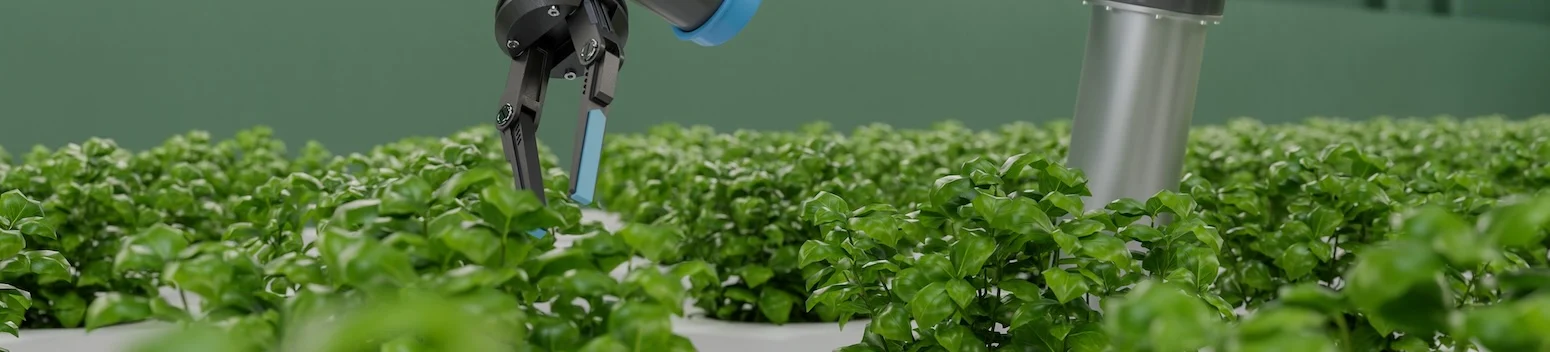
Specify the Control Architecture
Zoning by hydrozones; seasonal programs; commissioning & naming conventions.
Smart irrigation is ultimately a discipline of precision and proof. We start with hydraulics; correct pipe sizing, pressure regulation, master valves, and isolation strategy; so the network performs predictably before a single schedule is written. Zoning follows hydrozones and exposure (sun/shade, wind, reflective heat) to prevent over-watering and stress.
Controllers are selected for clarity and telemetry: central or hybrid topologies that log events, push alerts, and allow staged rollouts without locking you into a single vendor. Flow and pressure sensing at strategic locations create a verifiable chain of custody for water, while moisture inputs are used where they add signal (not noise). Every decision aims at stable delivery, low losses, and operators who have the right information at the right time.
Smart irrigation controls are most effective when they are designed as part of the full landscape system, not added after installation. Pine Landscaping coordinates controller selection, valve grouping, hydrozone logic, sensor placement, flow monitoring, and alarm rules with the planting plan, water source, site pressure, and maintenance strategy.
For Saudi projects, this coordination is especially important because heat, wind, soil conditions, and water quality can quickly expose weak irrigation logic. A smart control system should help operators understand what is happening across the site, detect abnormal consumption, respond to leaks, and adjust schedules based on real landscape demand.
Our approach turns irrigation control into a practical operating tool. We define clear naming conventions, control zones, access points, dashboards, alerts, and handover requirements so owners and facility teams can monitor performance after completion. The result is a system that supports water efficiency, plant health, and reliable day-to-day operation.
Controls are commissioned with the same rigor as MEP: valve diagnostics, fail-safe behavior on sensor faults, alarm thresholds, and role-based access for the O&M team. Seasonal programs are built from water budgets and adjusted with on-site feedback, not guesswork; storm pause, cycle-and-soak, and station interlocks are configured to protect soils and hardscape. We document as-builts, controller maps, and naming conventions that survive personnel changes.
When owners are ready, we integrate dashboards that compare budget vs. actual, generate exception reports, and surface true leaks versus harmless anomalies. The result is a transparent system that saves water without compromising plant health; and one your team can actually run.
Pine Landscaping also supports the control strategy with practical documentation, including zone schedules, controller settings, sensor notes, alarm logic, and maintenance guidance. This makes the smart irrigation system easier to operate after handover and helps facility teams keep performance consistent across seasons.
When controls are planned early, the irrigation network becomes easier to test, adjust, and improve over time. Operators can make informed decisions instead of relying on guesswork. This creates a stronger connection between water efficiency, plant health, and long-term landscape management.