Table of Contents
Podiums and roof landscapes deliver high impact, but they fail quickly when root volume, drainage, and irrigation access are underestimated. In Saudi cities, heat and wind amplify every shortcut. Success depends on engineering the root zone and designing for maintainability from day one.
Key Points
Elevated landscapes are unforgiving because there is no “natural recovery” when the root zone is limited and the media heats quickly. Most failures are engineering and access issues rather than aesthetic ones.
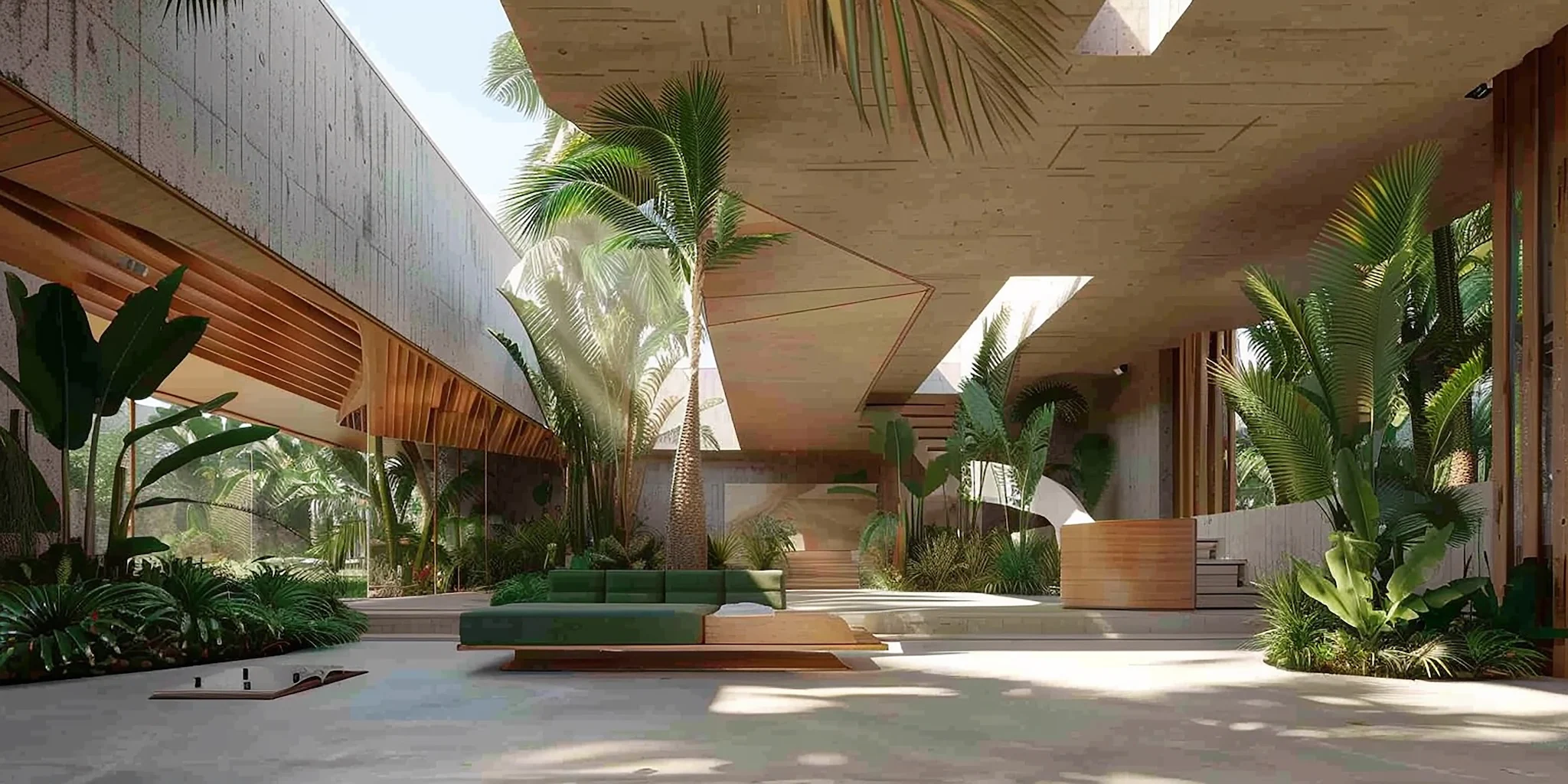
Planters Green Roof Body
Engineered planters ensure reliable rooftop performance
Engineer the Root Zone, Then Plant
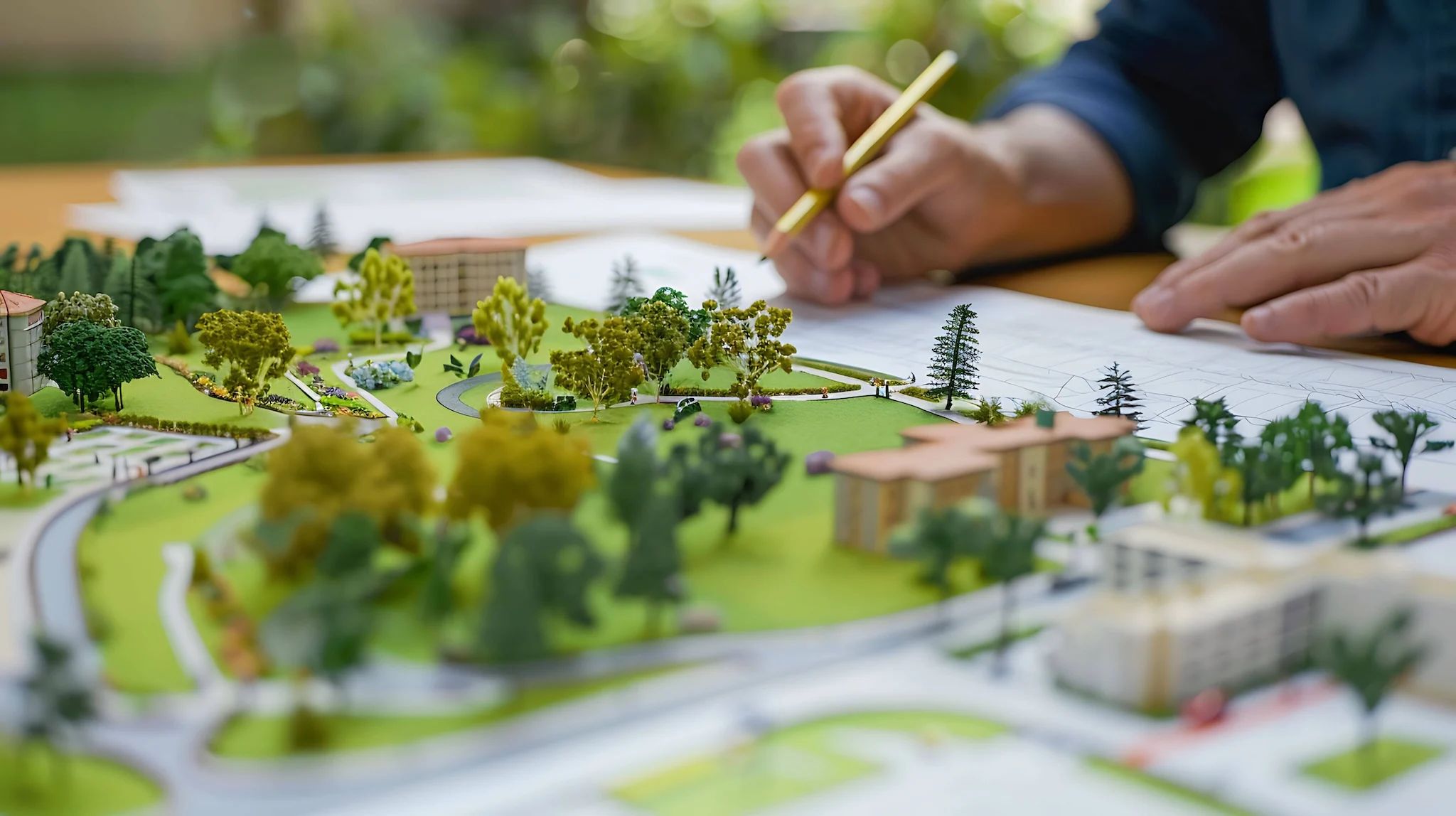
Treat planters and podium landscapes as designed systems: root-zone capacity, drainage protection, and controllable irrigation. The first three steps create the foundation that prevents recurring failures.
1. Root-zone volume and media design
Match plant size to realistic root volume. Specify a media profile that supports oxygenation and drainage while retaining enough moisture under heat.
2. Drainage and waterproofing coordination
Resolve outlets, slopes, waterproofing protection, and overflow strategy before planting. Late coordination leads to waterlogging, root decline, and expensive rework.
3. Irrigation control and filtration
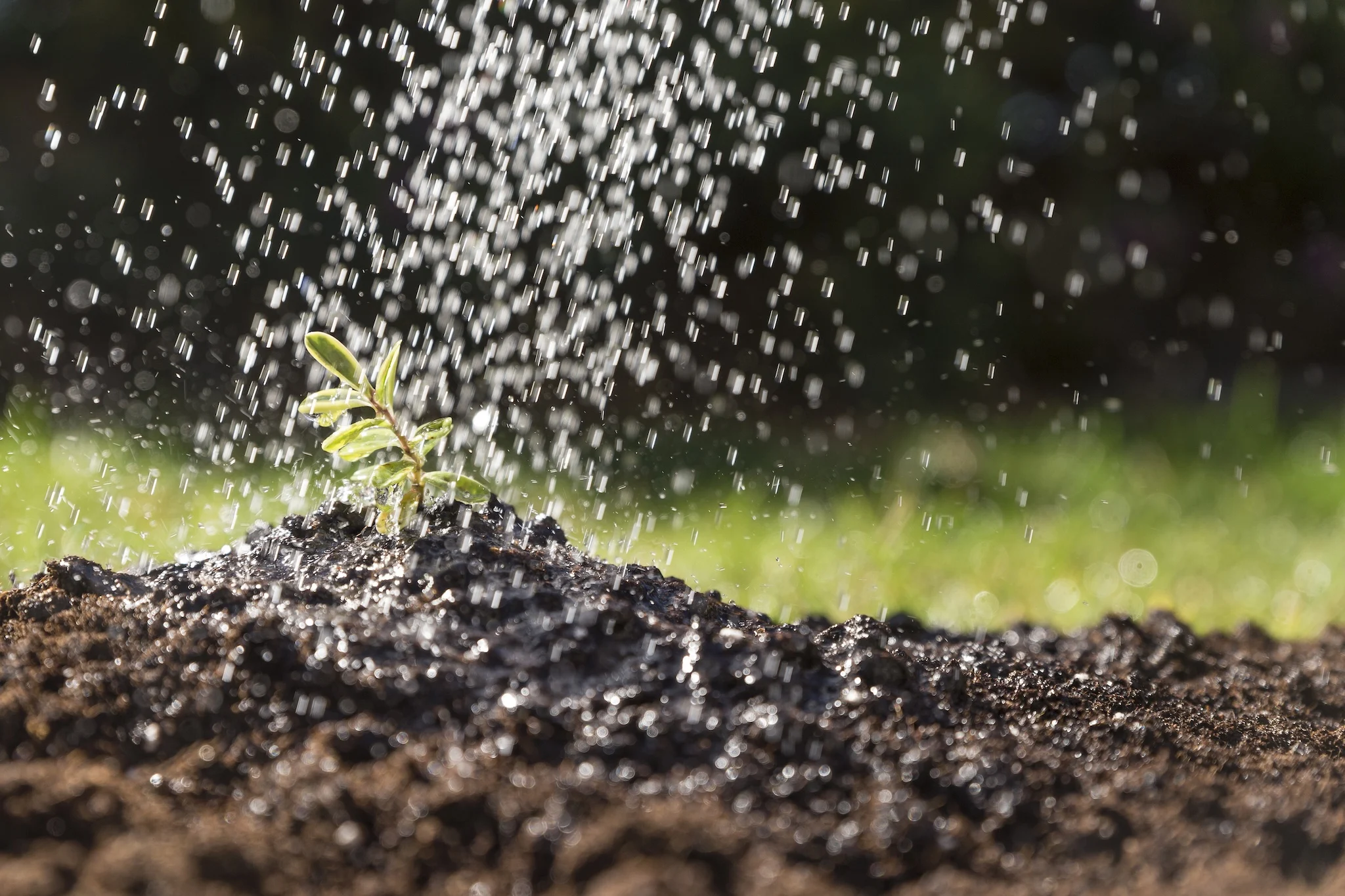
Planters require stable filtration and controllable zoning. Without it, emitters clog and plants fail quickly during peak summer.
4. Plant selection for planters
Select for heat tolerance, manageable mature size, and maintenance compatibility. Prioritize plants that perform well under controlled root volumes.
Fast Win: Set a Maximum Plant Size by Planter Volume
Define limits early: if the planter volume is fixed, reduce plant size or change species. This avoids forcing specimens into conditions where they cannot stabilize.Your Content Goes Here
negotiate salary
Common Mistake: Treating Drainage as a Detail
Drainage is the system. If overflow and outlets are not coordinated, the root zone becomes unstable and plants fail regardless of palette quality.Your Content Goes Here
hiring approach
Common Elevated Landscape Mistakes
Avoid shallow media for large plants, inaccessible valves/drains, and undefined maintenance routines. Elevated landscapes need access planning and commissioning discipline.
Planter Section Detail
Publish a clear planter/roof section: layers, drainage, outlets, protection, and media depth. It eliminates coordination gaps and prevents repeat failures.
Access and Service Plan
Define how maintenance teams reach valves, filters, drains, and planting areas. If access is difficult, performance will degrade regardless of design intent.
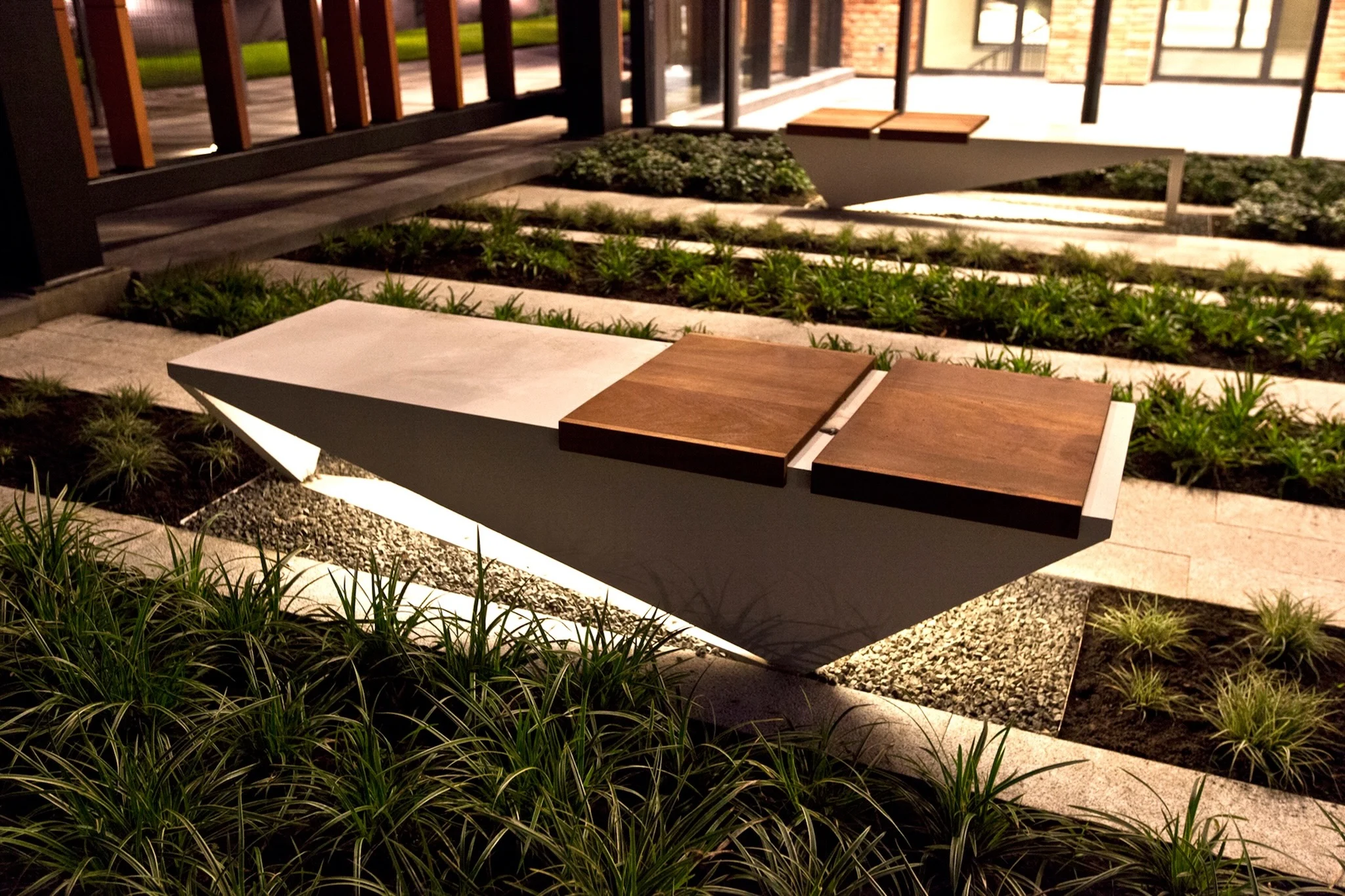
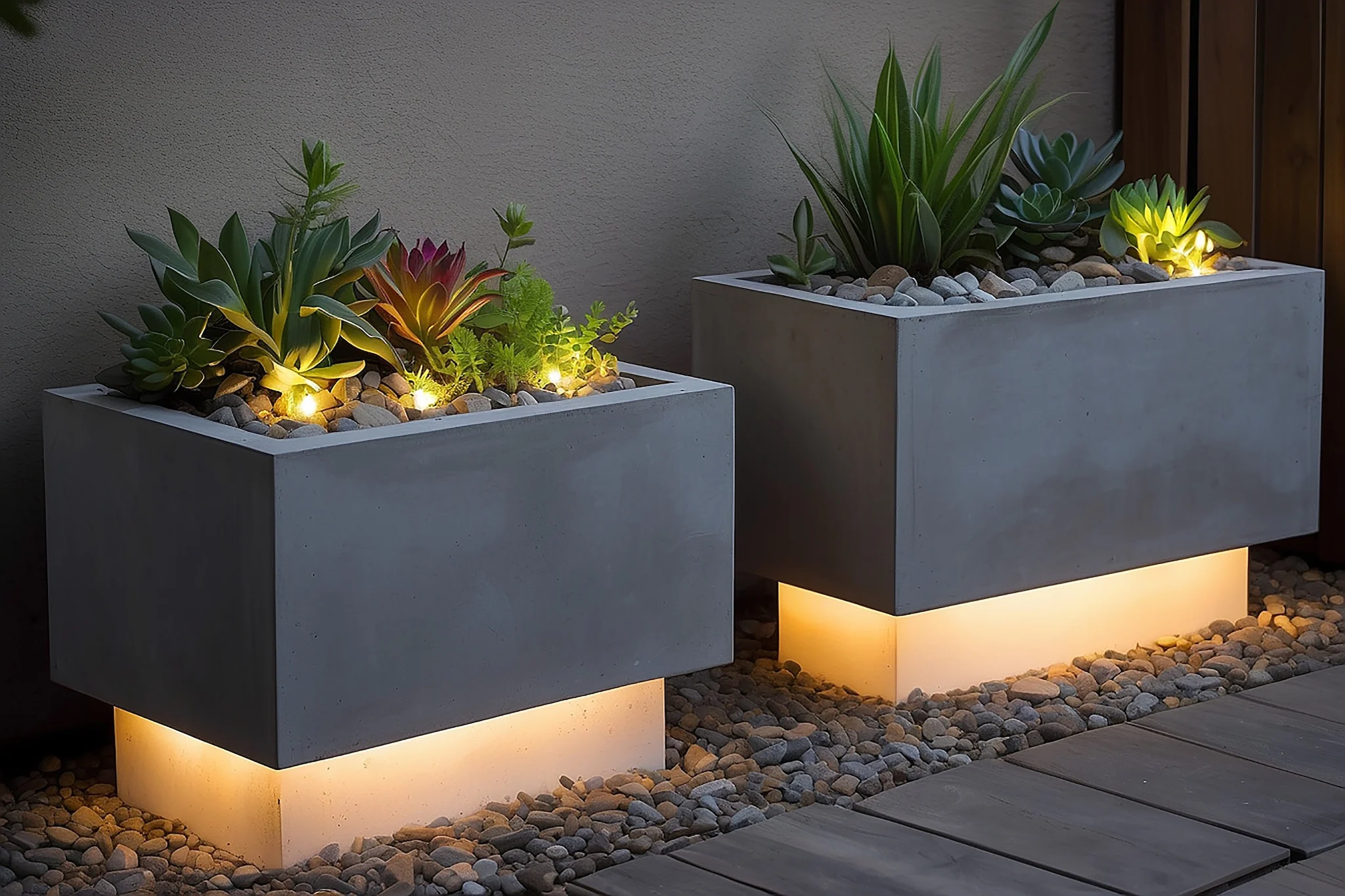
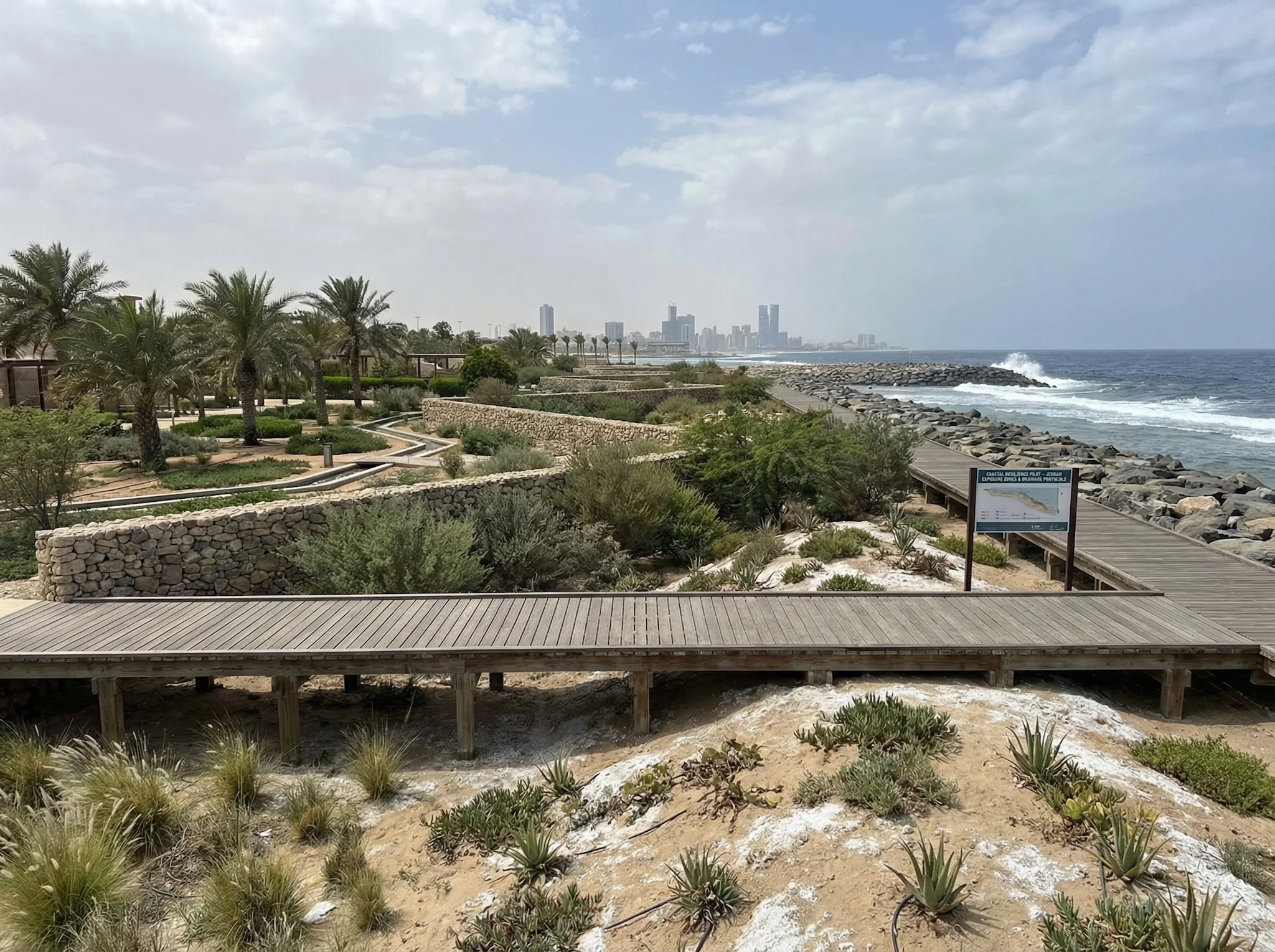
Planters, podiums and green roofs require coordination between landscape design, structural limits, waterproofing, drainage protection, irrigation zoning, soil media, plant selection, and maintenance access. Elevated landscapes do not have the same recovery capacity as ground-level planting, so small design omissions can become long-term performance issues. A blocked drain, inaccessible valve, shallow media profile, or oversized plant selection can affect the whole system.
For Saudi cities, Pine Landscaping treats planters, podiums and green roofs as engineered landscape systems. This means defining section details, confirming service routes, coordinating with civil and MEP teams, protecting waterproofing, selecting appropriate media, and commissioning irrigation before handover. The result is a more reliable elevated landscape that can mature predictably, remain serviceable, and support long-term visual quality.
Practical Implementation Notes
Elevated landscapes must be engineered like infrastructure: defined section details, controlled irrigation, and maintainable access. When that is done, they perform reliably even under harsh urban exposure.
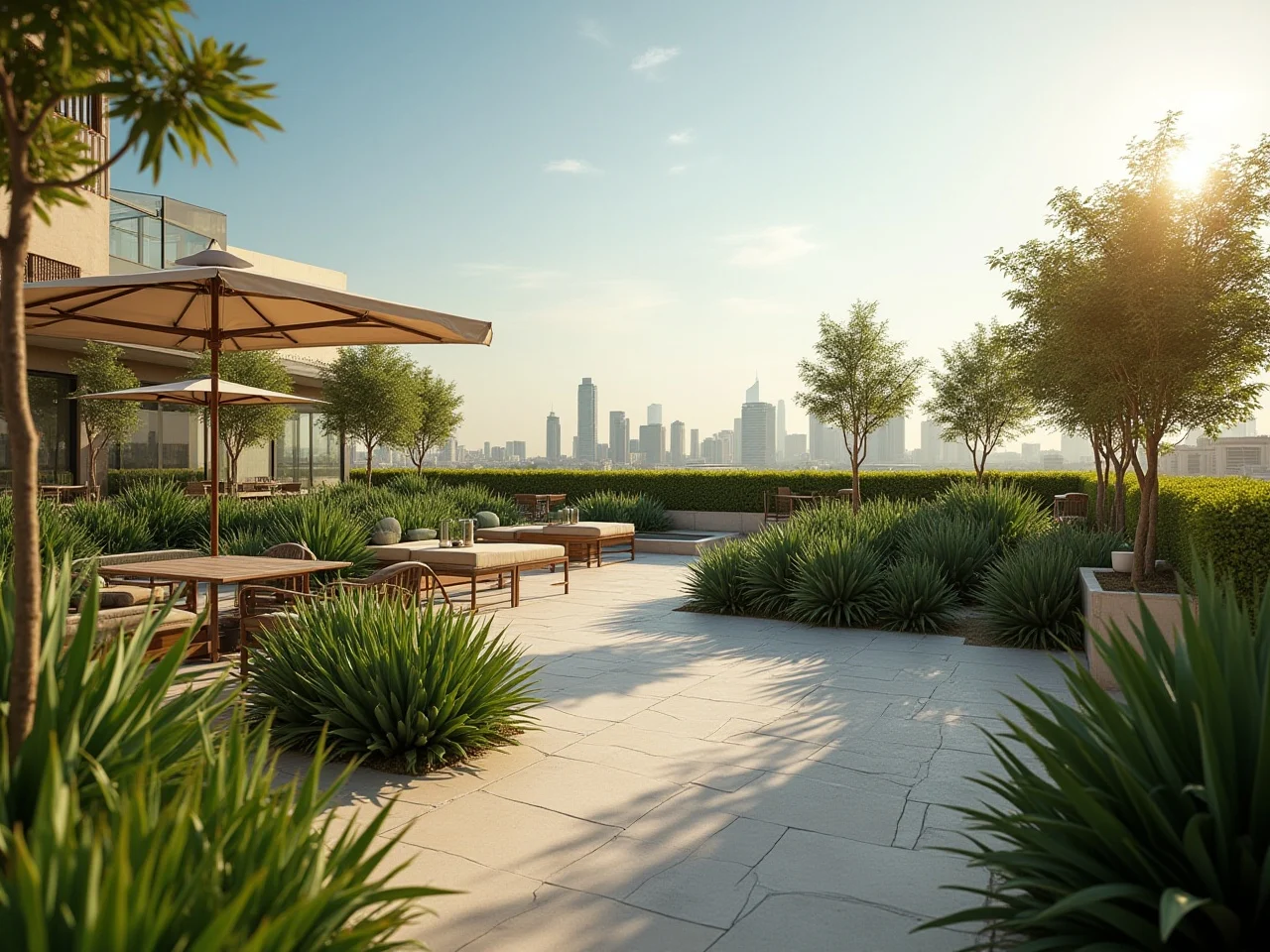
With correct root-zone engineering and access, podium landscapes mature predictably and stay visually stable.