Table of Contents
Heat, wind and salt are three of the most important performance pressures in Saudi landscapes. Planting rarely fails because the “wrong plant” was chosen in isolation. It fails because plants are placed into the wrong microclimate, forced into conflicting irrigation zones, or installed into soil that cannot support long-term root health.
Designing for heat, wind and salt requires a selection method that is measurable, repeatable, and aligned with real exposure and water conditions. A resilient landscape starts by mapping microclimates, locking hydrozones early, engineering the root zone, and selecting plants for performance rather than appearance alone.
Key points
Before choosing a palette, align the project team on what “success” means in Saudi conditions: predictable survival, stable form, and a maintenance rhythm that fits the operator’s capacity. The key points below summarize the three decisions that most influence outcome, microclimate mapping, hydrozone discipline, and root-zone readiness.

Keep selection disciplined and reduce replacement risk
Microclimates guide resilient planting in Saudi sites
The Three Foundations
The framework begins with three foundational steps. When these are done early -before tender shortcuts and late substitutions- the remaining decisions become simpler and far less risky. Treat these as your baseline; they establish the conditions in which any plant can perform.
1. Map microclimates
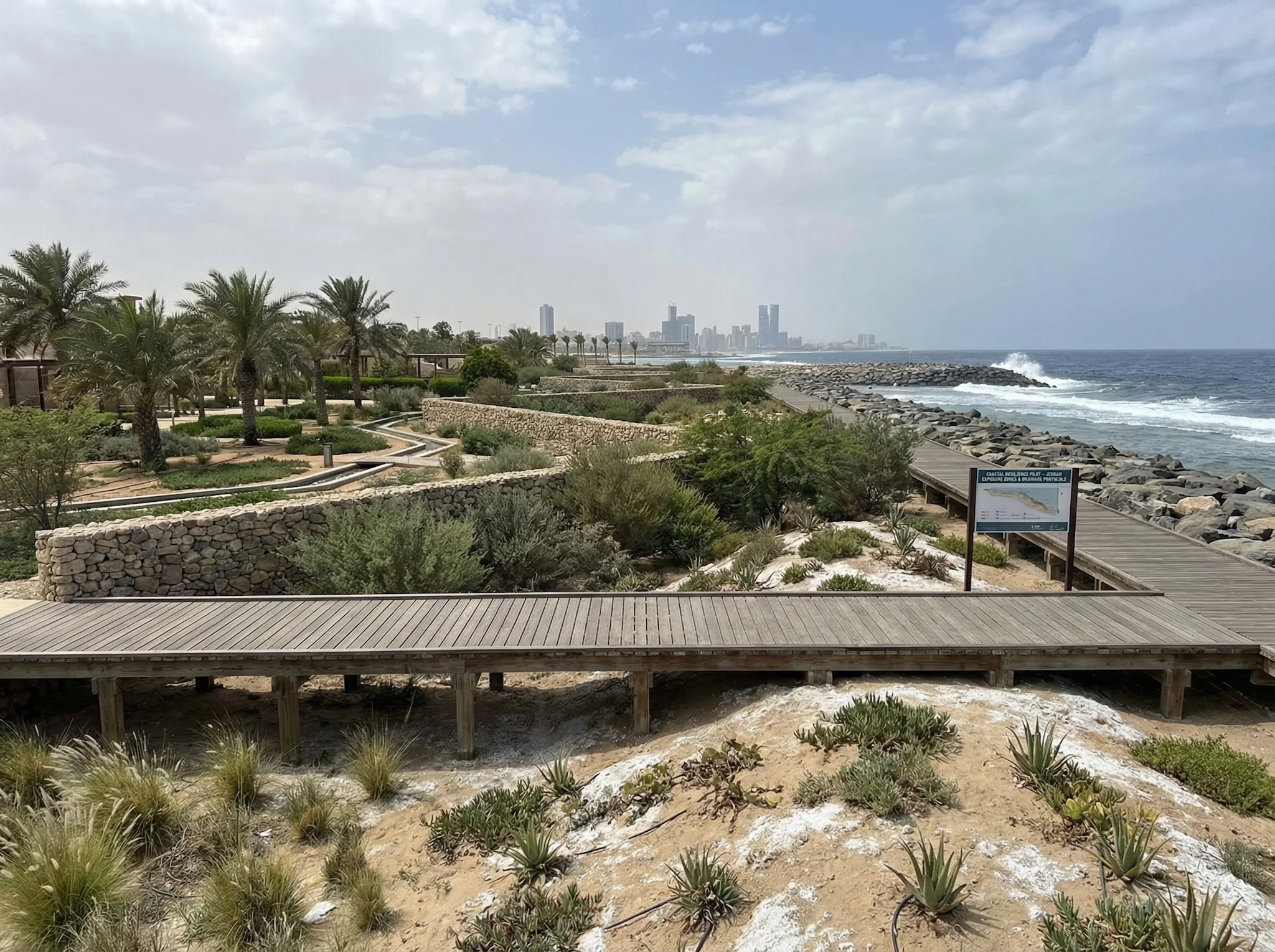
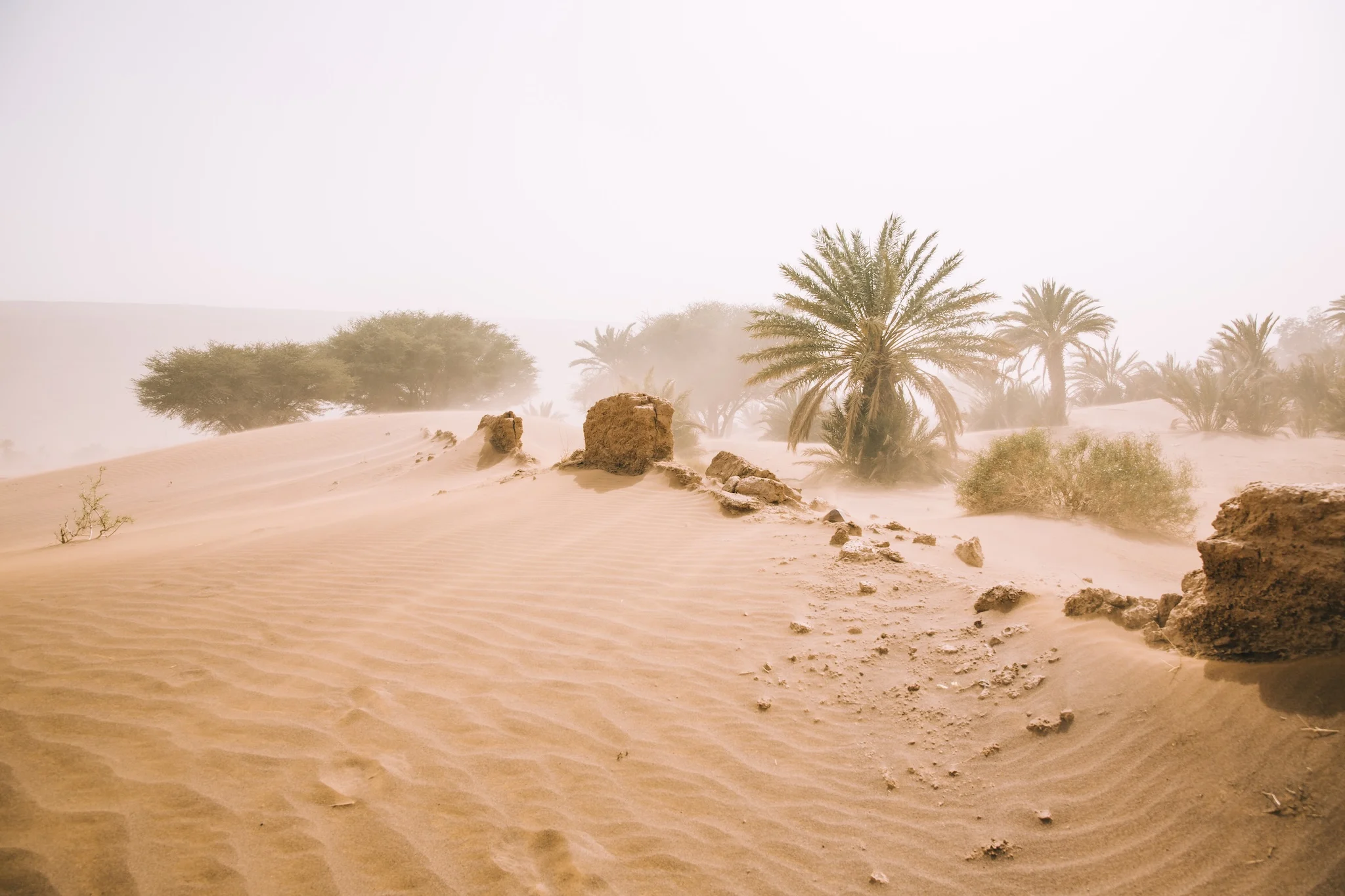
Identify reflected-heat zones near paving, shaded pockets near buildings, wind corridors, and coastal salt exposure. Treat each as a different environment with its own palette and irrigation logic. Microclimate mapping should be a design deliverable, not a mental note.
2. Lock hydrozones early
Group planting by water demand and exposure before you group by visual theme. This prevents overwatering one area to keep another alive, one of the most common drivers of decline, fungus, and wasted water.
3. Engineer the root zone
Specify soil improvement, root-zone volume, and mulch depth as core scope. Compaction, alkalinity, weak infiltration, and salinity must be addressed at tender stage—not after plant failure. A good root zone reduces water stress and stabilizes growth form.
4. Select for performance, not appearance
Prioritize canopy value (shade density and spread), structural resilience (wind tolerance and branch strength), and maintenance compatibility (pruning rhythm, litter load, and root behavior near paving). Ornamentals still have a role, but place them only in supported microclimates.
Fast win: Tag harsh zones first
Assign the toughest exposures. Once the frontline is stable, sensitive ornamentals can be used strategically behind buffers.Why it matters
Common mistake: Mixing irrigation intent
If low-water planting shares zones with high-demand planting, performance becomes uneven and expensive to manage.What outcome it protects
Common specification mistakes
Avoid generic “hardy plant” lists. Instead, specify exposure, tolerance, and establishment requirements. Include soil amendments, mulching, and establishment irrigation notes so installation and maintenance teams can execute consistently.
Microclimate Register
Create a simple register that lists each site exposure zone (reflected heat, shade, wind corridor, coastal edge), the intended planting type, and the key constraints. This becomes the decision record that prevents late substitutions from breaking performance.
Hydrozone Schedule
Document hydrozones as a schedule: zone name, intent (low/medium/high), irrigation method, and the plant groups included. It protects water logic through tendering and gives operations a clear baseline for seasonal tuning.

Practical Implementation Notes
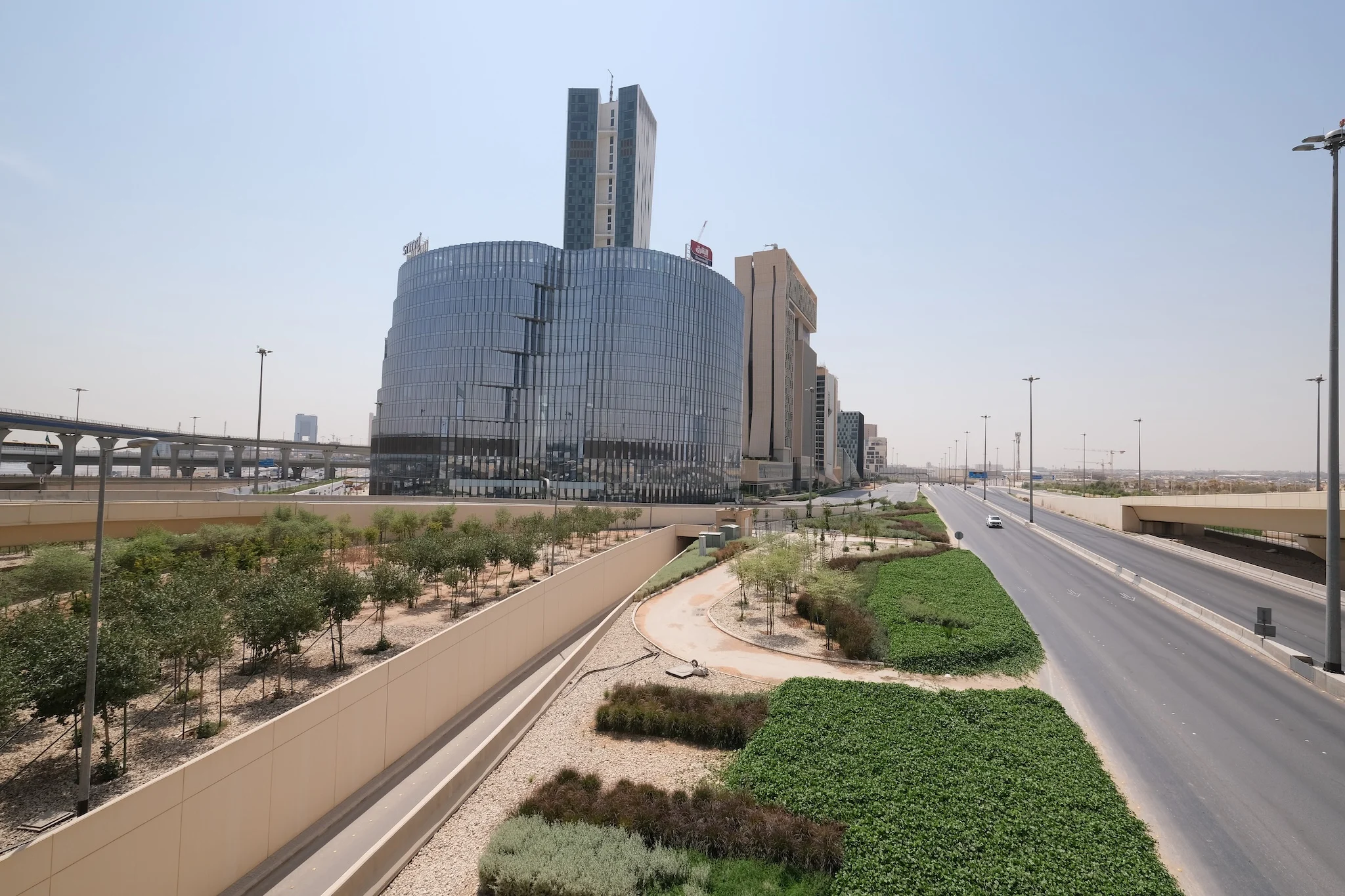
When you formalize microclimates and hydrozones as project deliverables, procurement and installation stop being guesswork. The landscape becomes easier to price, easier to execute, and easier to maintain, because the performance logic is clear to every stakeholder.
When plant selection is driven by exposure, water strategy, and soil reality, the landscape becomes predictable visually and operationally- from opening day onward.