table of contents
in Saudi projects, installation is often treated as completion. In practice, installation is the start of establishment—the period that determines survival, canopy development, and long-term maintenance cost.Integer vestiba lum purus vitae bibendum efficitur. Donec eu metus molestie urna sollicitudin volutpat.
Key Points
Establishment is where landscape performance is either locked in or lost. In Saudi climates, the cost of weak establishment planning appears quickly, decline, replacements, and a handover that becomes ongoing corrective work.
Establishment Planning Key Points
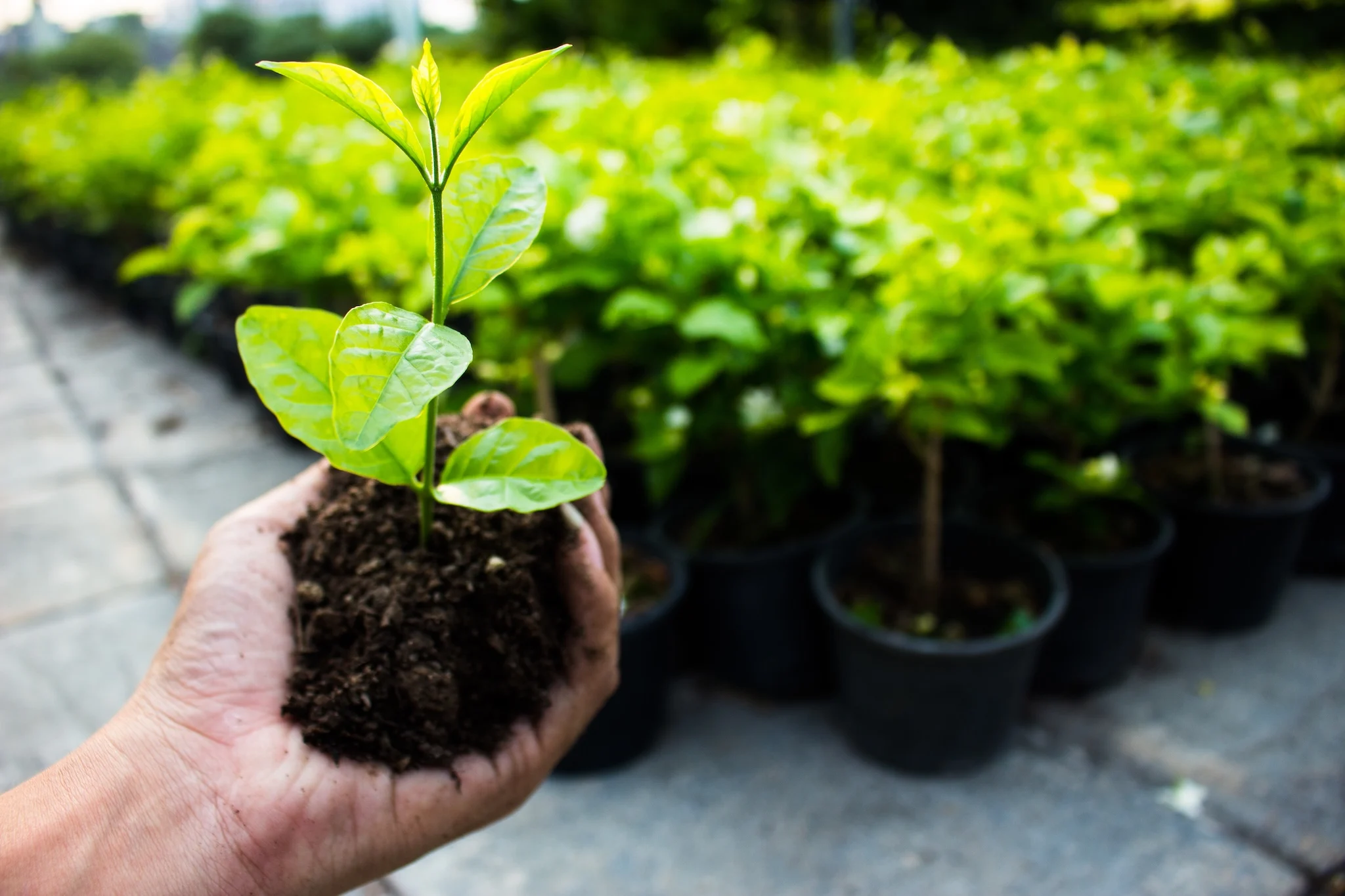
Establishment planning protects survival after installation
Establishment Starts Before Planting Day
A successful establishment program is built around timing and control. The first three steps focus on what must be true before the first tree goes into the ground: site readiness, quality verification, and disciplined planting execution.
1. Align delivery with site readiness
Confirm irrigation is live, soil prepared, grading complete, and protection measures are in place. Avoid installing into unfinished or high-traffic areas where compaction and damage are inevitable.
2. Inspect and tag key specimens
For feature trees and signature palms, pre-tagging ensures delivered stock matches the design intent. Arrival checks should confirm rootball integrity, trunk stability, and canopy form.
3. Protect planting-day quality
Correct planting depth, appropriate staking, and mulching are non-negotiable. Small installation errors create decline patterns that no amount of watering can fix.
4. Manage the first 90, 180 days
Define watering frequency by zone, inspection schedules, and a clear replacement policy. Establishment should be managed as a controlled program with accountability.
Fast Win: Use a Readiness Gate Before Delivery
Create a simple “go/no-go” gate: irrigation tested, soil approved, planting pits ready, protection installed. If the gate fails, delay delivery, this single control prevents large-scale mortality.Your Content Goes Here
negotiate salary
Common Mistake: Planting Into Unfinished Conditions
Planting into areas still subject to civil works, dust, traffic, or incomplete irrigation almost always results in avoidable loss. The site must be ready, not “almost ready.”Your Content Goes Here
hiring approach
Common Establishment Mistakes
Avoid unclear responsibilities, informal watering, and missing replacement rules. Establishment needs documented routines: what is checked weekly, what changes monthly, and who approves adjustments.
Establishment Schedule
Define a schedule that specifies inspection frequency, irrigation tuning checkpoints, and seasonal changes. This turns establishment into planned work, not firefighting.
Replacement Policy
Agree early on replacement standards and timelines (what qualifies, how quickly replacements are delivered, and how they are established). This prevents disputes and protects opening readiness.
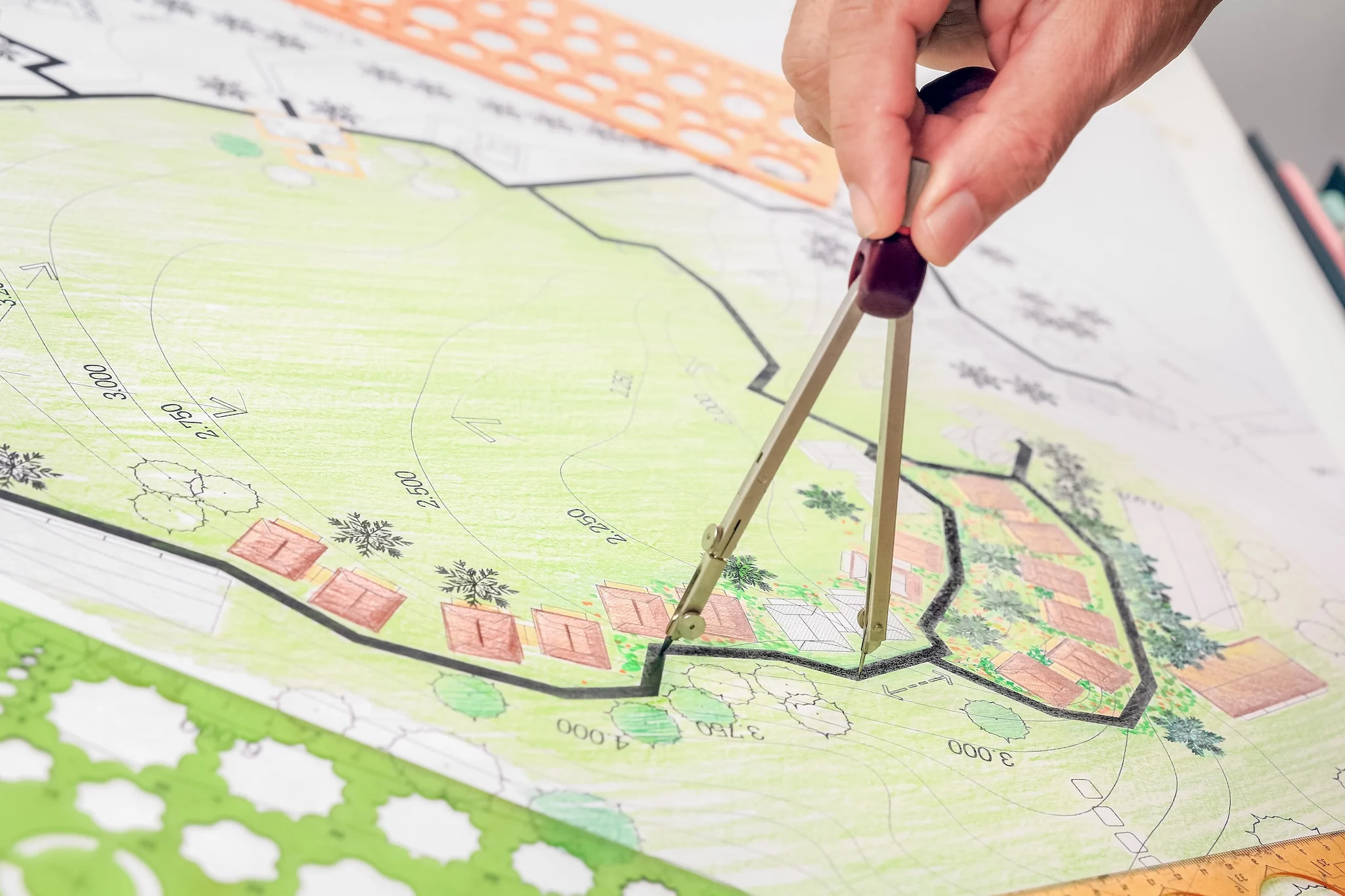


Practical Implementation Notes
Establishment succeeds when it is treated like commissioning: planned, measured, and documented. The goal is not survival alone, it is stable form, canopy development, and predictable handover performance.
With disciplined readiness, inspections, and protocols, the landscape reaches handover as a stable asset.