
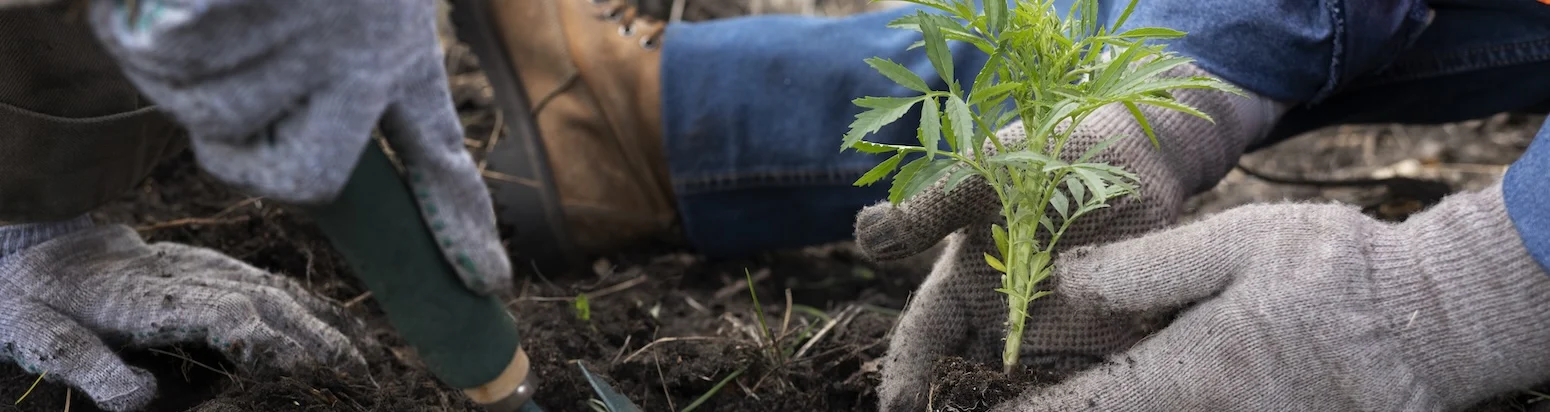
specimen trees deliver immediate visual impact, but they carry higher risk and replacement cost. Without clear specifications and disciplined inspection, projects pay for size without securing performance. Success depends on measurable standards, staged verification, and establishment protocols that protect the investment.
Key Points
Specimen trees are high-value assets, and the risk profile is different from standard stock. Without measurable standards and staged inspections, projects absorb the cost of size while still facing early decline.
qaw
Specimen standards secure quality from nursery
Control the Risk Before Delivery Day
Specimen success is determined long before installation day. The first three steps define the control chain: specify what acceptable means, verify quality through checkpoints, and prepare planting conditions that support recovery.
1. Specify measurable quality standards
Define trunk caliper, clear stem height, canopy form, rootball integrity, and acceptable tolerances. Clear standards prevent weak substitutions.
2. Tagging and inspection checkpoints
Use selection/tagging, pre-shipment verification, arrival inspection, and post-planting verification. Document findings to protect scope and accountability.
3. Planting pit and depth discipline
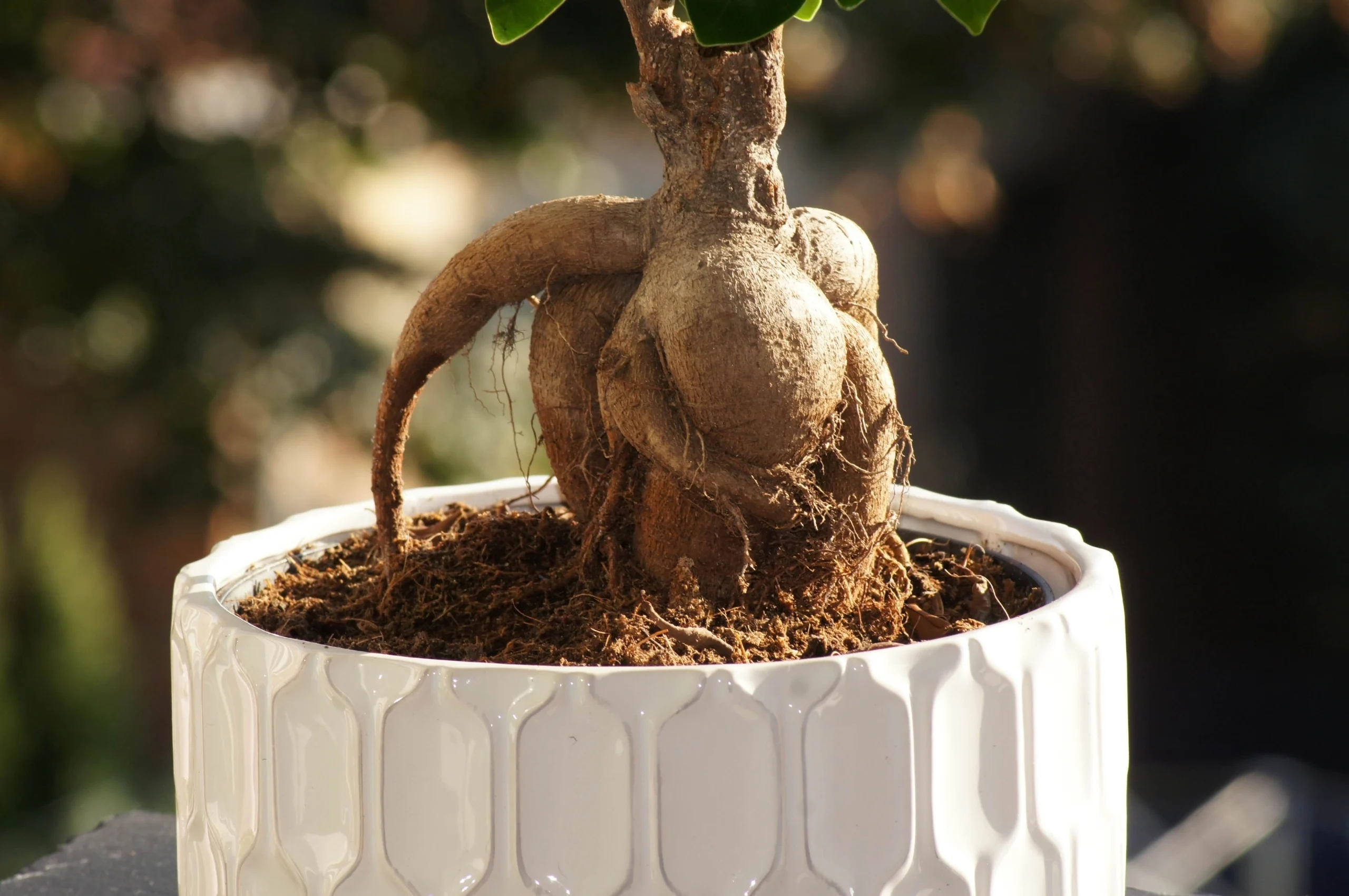
Verify pit size, soil conditioning, and correct planting depth. Planting too deep is one of the fastest paths to decline and is difficult to correct later.
4. Staking, mulching, and establishment
Stake to stabilize without damaging the trunk, mulch to protect moisture and temperature, and tune irrigation to establishment needs. Avoid heavy pruning during establishment.
Fast Win: Approve Specimens Before They Move
Tag and approve key specimens early, using written acceptance criteria. This reduces delivery-day disputes and prevents substitutions that look similar but perform differently.Your Content Goes Here
negotiate salary
Common Mistake: Accepting “Equivalent” Stock on Delivery Day
Last-minute substitutions typically compromise structure, root quality, or establishment readiness. The cost appears later as decline, rework, and replacement.hiring approach
Common Specimen Mistakes
Avoid vague standards, single-stage inspection, and planting depth errors. Specimens require a controlled chain from selection to establishment.
Specimen Specification Sheet
Use a simple one-page sheet defining caliper, form, canopy balance, and rootball criteria. It turns “specimen” into a measurable scope item.
Inspection Record Template
Maintain a consistent inspection record across tagging, pre-shipment, arrival, and post-planting checks. Documentation reduces disputes and improves accountability.


Practical Implementation Notes
Specimen value is protected by controls, not by hope: measurable standards, staged verification, correct planting, and disciplined establishment. When done properly, specimens mature into signature assets rather than recurring liabilities.
With the right control chain, specimen trees deliver impact on day one and durability for years.